
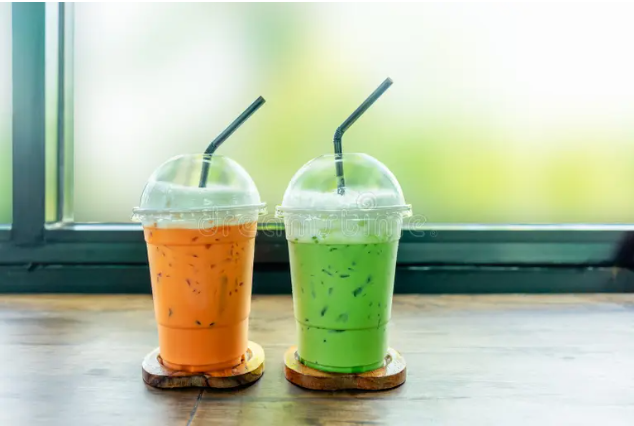
Bubble tea is purchased by 94% of Thais aged 20–29 every quarter, while premium organic tea commands ฿200 price points in Bangkok boutiques and $19.7 million in annual export revenue flows to ASEAN markets. Thailand tea sits at the intersection of mass-market convenience and accelerating premiumisation — and the distance between those two segments is widening. For F&B brands assessing entry, positioning, or investment, understanding where that divergence creates opportunity is the central question.
Table of Contents
- What Are the Types of Tea in Thailand?
- Health Awareness: Market Growth Driver
- Who Are Thailand’s Tea Drinkers?
- Bubble Tea Market Phenomenon
- Digital Performance and Competitive Intelligence
- Export Growth and Regional Opportunities
- Future Innovation and Market Expansion
- Market Research Applications
- Strategic Recommendations
- Conclusion & TL;DR
- Sources
What Are the Types of Tea in Thailand?
Global Tea Categories
The tea market operates within Thailand’s dynamic FMCG landscape, where digital transformation and evolving consumer preferences are driving industry-wide changes across food and beverage categories.
Understanding types of tea in Thailand requires first examining global tea categories. Globally, six main “true” teas derive from Camellia sinensis: black, green, oolong, white, pu-erh, and dark teas. Processing methods — oxidation, fermentation, roasting — determine flavour profiles, caffeine levels, and aromatic characteristics. Herbal infusions like chamomile, hibiscus, and lemongrass, while technically not tea, form fast-growing wellness segments.
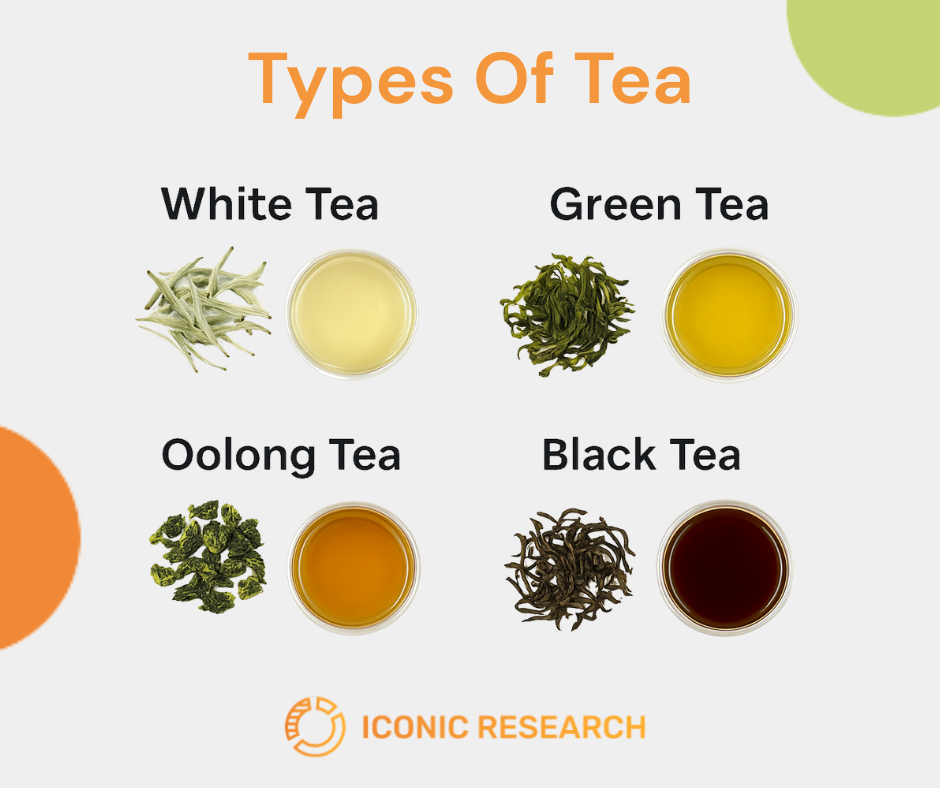
The most consumed types worldwide are black, green, and herbal teas, with rising demand for premium, artisanal, and specialty blends. This global pattern influences Thai consumers, who balance traditional sweet preparations with health-oriented alternatives — a shift that reflects broader changes in consumer research as buyers assess health benefits before making purchase decisions.
Traditional Thai Tea Heritage
Thailand’s signature beverage is Thai iced milk tea (Cha Yen)—a strong black tea blend with condensed milk, sugar, and ice [3]. Its bold, sweet profile dominates street stalls and modern tea chains. Other popular traditional drinks include Thai iced green tea and herbal varieties featuring lemongrass, bael fruit, chrysanthemum, and roselle.

Northern provinces — Chiang Rai, Chiang Mai, Lamphun — are the centre of artisanal and organic tea cultivation in Thailand, producing pesticide-free varieties for both export markets and health-conscious domestic consumers.
Thailand’s hot climate shapes consumption patterns: iced teas dramatically outsell hot varieties, and “Thai style” typically means strongly brewed and heavily sweetened [3]. Even boutique brands targeting premium consumers adapt this foundational flavour profile.
Premium and Organic Tea Evolution
Beyond mass-market milk tea, premiumisation reshapes Thai tea culture. Affluent urban consumers now purchase single-origin oolongs, ceremonial matcha, and artisanal blends. Boutique brands like Karun Thai Tea elevate traditional Thai iced tea into luxury experiences through premium leaves, minimalist branding, and curated tea-tasting events [4].
The RTD (ready-to-drink) market remains substantial, evolving with sugar-free green teas, innovative flavouring, and convenient packaging formats. This combination of premium niches and mass RTD consumption ensures broad demographic appeal.
Health Awareness: Market Growth Driver
Quantitative Research revealed that Thai consumers increasingly view tea as a wellness beverage, substituting it for sugary sodas and energy drinks. This health consciousness directly fuels growth in organic tea Thailand segments and green tea market expansion. Research shows 62% of tea drinkers actively pursue healthy eating, making them receptive to functional benefits messaging and clean ingredient positioning.
Generation Z leads this wellness movement, seeking products aligned with health and sustainability values. RTD tea products capitalize on combining perceived health benefits with on-the-go convenience, resonating with younger demographics prioritizing both wellness and efficiency.
Who Are Thailand’s Tea Drinkers?
Our demographic segmentation research reveals diverse consumer segments with distinct preferences and purchasing behaviors:
Demographic | Key Insights |
Age | 29% of Thai tea drinkers are Generation Z (born 1997–2012). This cohort is highly influential, driving trends in health, sustainability, and digital engagement. |
Gender | 53% of tea drinkers in Thailand are male. This broadens the market and opens up new opportunities for inclusive branding and product development. |
Income | 38% of tea consumers come from high-income households, indicating that tea is increasingly viewed as a premium, lifestyle-oriented product. |
Location | Tea’s appeal is nationwide, with strong consumption in both urban centers and rural communities. |
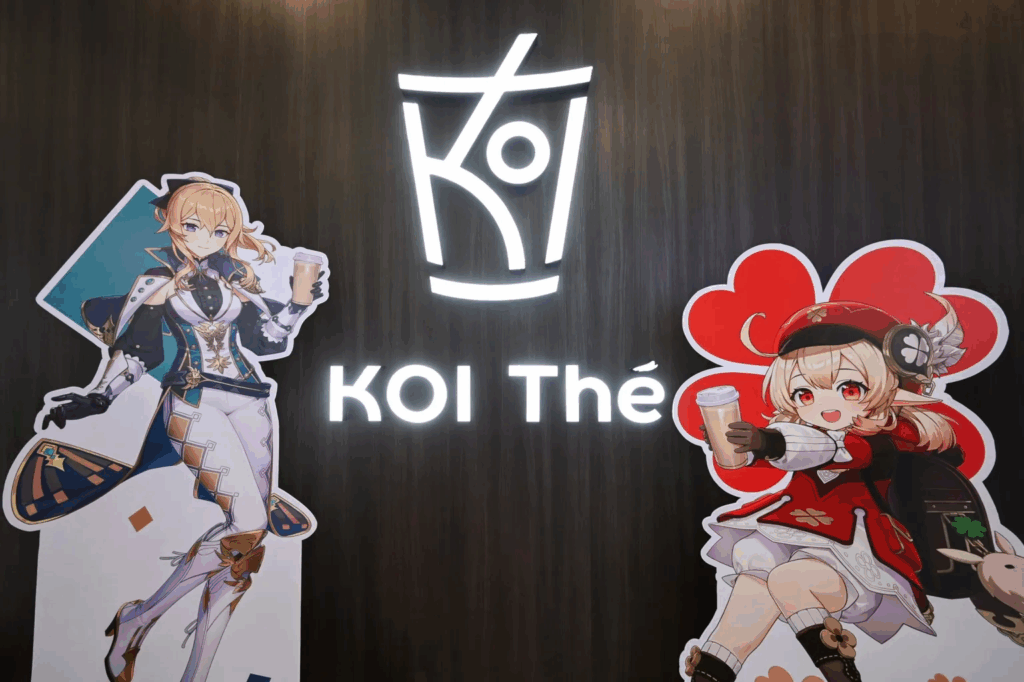
Thai tea drinkers engage deeply with lifestyle trends, integrating consumption with fashion, gaming collaborations, and environmental consciousness. Tea consumption intertwines with self-expression, as demonstrated by Karun’s aesthetic positioning and KOI Thé’s pop culture partnerships that create Instagram-worthy experiences appealing to style-conscious consumers.
Bubble Tea Market Phenomenon
Thailand’s bubble tea market represents a cultural force, particularly among younger demographics. Research shows 94% of Thais aged 20–29 purchased bubble tea in the past quarter, driven by customisation options, photogenic presentation, and social media integration [2].
International chains like KOI Thé and Tiger Sugar succeed through localisation and pop culture collaborations. KOI Thé’s Genshin Impact partnership featured game-themed drinks and collectible merchandise, creating viral engagement on TikTok and Instagram platforms [6].
Digital Performance and Competitive Intelligence
Social media presence determines brand visibility and consumer engagement in Thailand’s competitive landscape. Our comprehensive analysis reveals significant performance variations:
Brand | Brand Mention (%) | Brand Engagement (%) |
ChaTraMue (ชาตรามือ) | 14.6% | 35.4% |
Inthanin | 12.2% | 21.8% |
Karun | 12.1% | 4.6% |
FukuMatcha | 7.6% | — |
TrueCoffee | 7.5% | 7.6% |
Kudsan | 3.2% | 3.2% |
"I Will Drink Thai Iced Tea Every Day” | 3.1% | — |
Chongdee | — | 6.1% |
Taobin (เต่าบิน) | — | 2.9% |
Others | 36.5% | 18.4% |
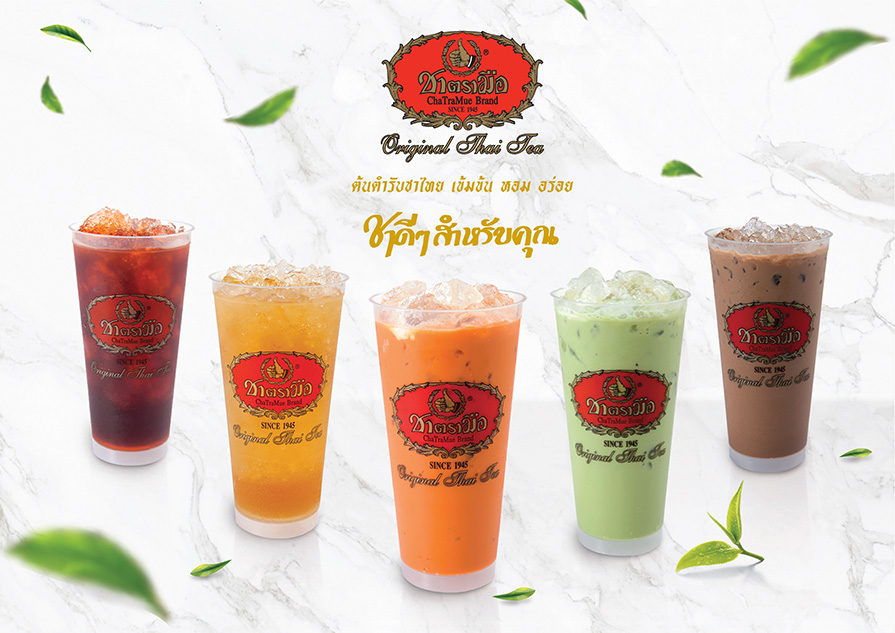
ChaTraMue dominates as the leading Thai iced tea brand with 35.4% engagement and 70% market share, while premium Thailand tea brand Karun commands ฿200 price points through luxury positioning. Thai milk tea brand competition intensifies as international players like KOI Thé succeed through localization and digital engagement strategies.
Export Growth and Regional Opportunities
Thailand’s tea exports reached $19.7 million in 2023, with ASEAN markets representing 63% of export value [7]. Key destinations include Malaysia, Singapore, Vietnam, Indonesia, and the Philippines, each requiring distinct market entry approaches.
Premium markets like Singapore favour Thai oolong and organic varieties, while mass-market instant Thai milk tea mixes perform across broader regional segments. The regional demand demonstrates Thailand’s growing reputation for quality tea products in Southeast Asian markets.
Future Innovation and Market Expansion
Key growth trajectories shaping the market:
Health and Wellness Evolution: Functional tea varieties including turmeric, moringa, and butterfly pea are gaining ground among ingredient-conscious consumers. For brands, the question is not whether this category will grow but which health claims and flavour profiles have durable appeal beyond early adopters.
Premiumisation Momentum: Specialty teahouses expand as loose-leaf sales grew 20% from 2019–2022. The structural driver is income growth among urban consumers who have moved beyond RTD tea and are willing to pay for provenance, presentation, and experience.
Sustainability Integration: Eco-packaging becomes a commercial factor as 25% of consumers pay premiums for sustainable options. Brands that treat this as an operational cost rather than a positioning lever are likely to be competitively exposed as the segment matures.
Digital Commerce Growth: Online platforms and delivery integration are reshaping the purchase journey, particularly for premium and health-oriented segments where product education matters. Brands that treat digital as a distribution channel only will underperform those that use it as a primary consumer research signal.
Market Research Applications
Organic Tea Market Entry: Research-Driven Success Case Study
A mid-sized organic tea producer leveraged comprehensive market research to achieve 40% domestic sales growth and successful Singapore market entry within 12 months. Our multi-methodology qualitative and quantitative approach identified premium urban demand, optimal export opportunities, and strategic positioning requirements that transformed their business trajectory.
Research Services for Tea Industry Success
Product Development Research: Flavour testing, sugar optimisation, functional blend validation, packaging concept testing
Brand Positioning Studies: Message resonance testing, competitive differentiation analysis, target audience refinement
Market Entry Planning: Consumer behaviour analysis, regulatory landscape assessment, distribution channel evaluation
Digital Strategy Research: Platform effectiveness analysis, influencer partnership evaluation, social commerce optimisation
Talk to our team about how we approach consumer and category research for F&B brands entering or expanding in Thailand.
Strategic Recommendations
Success in Thailand’s tea market requires combining authentic heritage with innovation, sustainability, and consumer-centric positioning. Key strategic levers include continuous product innovation, lifestyle brand integration, digital-first marketing strategies, quality consistency, and sustainability commitment.
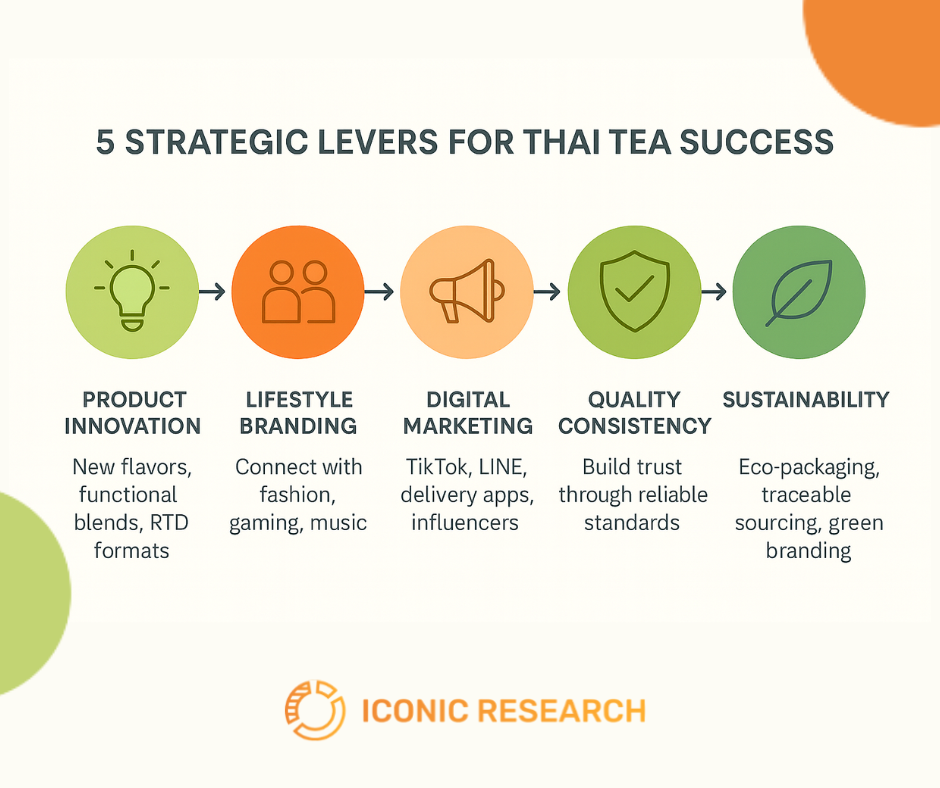
The integration of traditional Thai tea heritage with modern convenience and wellness positioning creates distinctive value propositions for both domestic and export market opportunities.
Conclusion & TL;DR
- 94% of Gen Z (ages 20-29) purchase bubble tea quarterly, leading market innovation and health trends
- Premium segments command ฿200 price points while traditional tea maintains mass appeal across demographics
- ChaTraMue dominates with 35.4% engagement and heritage-innovation positioning, followed by strong competitors
- International brands succeed through localization and pop culture collaborations with younger consumers
- ASEAN exports represent 63% of international sales totaling $19.7 million in 2023
- Research-driven decision making prevents costly market missteps in this competitive landscape
- Cultural understanding essential for authentic brand positioning in Thailand’s diverse tea market
- Digital-first strategies combined with traditional heritage create sustainable competitive advantages
Ready to succeed in Thailand’s tea industry? Contact Iconic Research 🍵 for comprehensive market intelligence and strategic guidance tailored to your business objectives.
Frequently Asked Questions
How big is the tea market in Thailand?
Thailand has a diverse tea market spanning traditional preparations, premium organic segments, and bubble tea, with strong domestic consumption and growing export potential.
Which generation drives tea consumption in Thailand?
Generation Z represents 29% of Thai tea drinkers and leads trends in health, sustainability, and digital engagement, particularly in the bubble tea market in Thailand and organic tea Thailand segments. Their purchasing behaviour shapes the direction of both premium positioning and functional innovation across the category.
What are the most popular Thai tea brands?
ChaTraMue leads with 35.4% brand engagement, followed by Inthanin (21.8%) and Karun (4.6%), with 53% of tea drinkers being male and 38% from high-income households.
How is the green tea market performing in Thailand?
Green tea continues expanding as health-conscious consumers prioritise antioxidant properties and lower-sugar options. Matcha-flavoured products have gained particular traction among urban consumers seeking premium experiences, and the segment is growing faster than traditional black tea categories.
How popular is bubble tea in Thailand?
94% of Thais aged 20-29 purchased bubble tea in the past quarter, making it dominant among youth demographics.
What's driving growth in Thailand's organic tea segment?
Growth is driven by Generation Z prioritising clean, sustainable ingredients, with 62% of tea drinkers actively pursuing healthier consumption. Eco-friendly packaging and transparent sourcing are increasingly important signals for this segment.
Where does Thailand export tea?
ASEAN accounts for 63% of exports, with Singapore, Malaysia, and Vietnam as primary markets. Total exports reached $19.7 million in 2023.
Sources
[1] Food Intelligence Center – Thailand Tea Market Analysis 2023
https://fic.nfi.or.th/market-intelligence-detail.php?smid=416
[2] Statista – Tea Drinkers in Thailand Consumer Study
https://www-statista-com.eu1.proxy.openathens.net/study/126472/tea-drinkers-in-thailand/
[3] Food & Wine – All About Thai Iced Tea
https://www.foodandwine.com
[4] Krungsri Business – Karun Thai Tea Case Study
https://www.krungsri.com/th/krungsri-the-coach/loan/business-inspire/brand-karun-thai-tea
[5] MGR Online – KOI Thé x Genshin Impact Collaboration
https://mgronline.com/game/detail/9670000025605
[6] The Nation – ChaTraMue Eyes Global Expansion
https://www.nationthailand.com
[7] Kasikorn Research – Thai Tea Market Export Analysis 2025
https://www.kasikornresearch.com/th/analysis/k-social-media/Pages/Tea-Info180-FB-21-02-25.aspx
If you wish to quote any information from this article, please kindly cite the source along with the link to the original article to respect copyright. |
 |
Iconic Research Thailand Your trusted partner in market research and consulting across Thailand and Southeast Asia. Headquartered in Bangkok, we provide research-driven insights across the Philippines, Malaysia, Indonesia, Singapore, Laos, and Vietnam. We help businesses navigate Thailand's market complexities through consumer insights, market entry strategy, and trend foresight. Contact us if you have any queries! (+66)888 954 954 |
Contact us
We always looking for new and exciting opportunities. Let’s connect.
Related posts
 Growth Strategy: The Expansion Decisions That Need Evidence
Growth strategy is the set of decisions about where a company expands next. Only 25% of companies grow sustainably — the difference is evidence, not ambition.
9 min read Brand Strategy: The Decisions That Should Be Built on Evidence
Brand strategy is the set of decisions that determine how a brand competes. Those decisions only pay off when they’re built on consumer evidence — not a workshop.
11 min read Key Opinion Leader: What Thai Brands Should Research Before, During, and After a KOL Campaign
Platform metrics mislead brands choosing and measuring KOLs in Thailand. A research-first look at what to verify before, during, and after a campaign.
10 min read